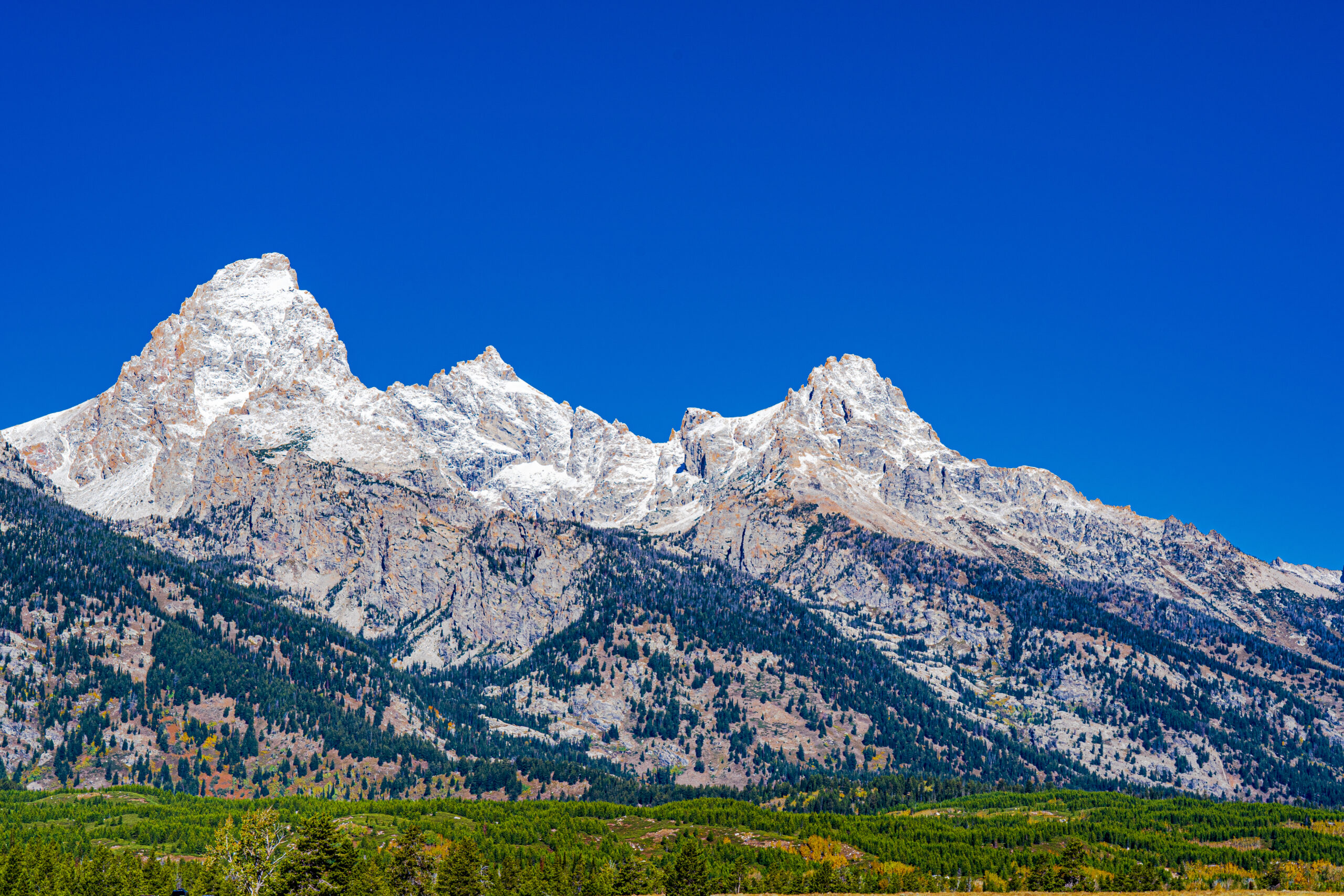
The Indian Himalayan Region (IHR) is far more than a scenic backdrop; it is a 1,500-kilometer lifeline spanning 12 states and Union Territories. Often referred to as the “Third Pole,” this majestic landscape provides critical ecosystem services—from regulating monsoons to feeding Asia’s greatest rivers—that support nearly a billion people downstream.
However, the tranquil exterior of the mountains masks a mounting crisis. As we witness the rapid transformation of the high-altitude landscape, the need to transition from “business as usual” to a regenerative economy has never been more urgent.
The Triad of Transformation: People, Nature, and Economy
Achieving a sustainable future for the Himalayas requires a delicate balancing act. We must address the immediate needs of mountain communities while safeguarding the natural assets that make their lives possible.
- Empowering Mountain Communities: Transitioning toward localized, climate-resilient livelihoods ensures that those living on the front lines of climate change are not just survivors, but active stewards of the land.
- Restoring Ecological Integrity: Addressing glacial melt and shifting weather patterns through reforestation and watershed management is a national imperative to prevent downstream disasters.
- Architecting a Green Economy: Moving away from unsustainable tourism and rapid, unplanned urbanization toward “low-impact” development preserves the region’s cultural and natural heritage.
Key Pillars for Himalayan Resilience
To protect this fragile balance, our collaborative efforts focus on four critical areas of intervention:
- Climate-Smart Infrastructure: Building roads, bridges, and housing that account for increased seismic activity and frequent cloudbursts.
- Regenerative Tourism: Shifting the narrative from mass tourism to high-value, low-volume experiences that directly benefit local homestays and conservation efforts.
- Glacial Monitoring & Disaster Preparedness: Utilizing advanced satellite mapping and community-based early warning systems to mitigate the risks of GLOFs (Glacial Lake Outburst Floods).
- Waste Management in the Clouds: Implementing circular economy models to tackle the growing plastic crisis in high-altitude zones where traditional waste disposal is impossible.
“The Himalayas are not just a regional asset; they are a global stabilizer. Preserving their balance is a shared responsibility that demands innovation and immediate action.”
The challenges of melting glaciers and shifting seasons are significant, but they are not insurmountable. By aligning economic growth with ecological limits, we can ensure that the “Abode of Snow” remains a vibrant, living landscape for generations to come.