Updates

Palampur 4 November 2026

Citizens' inputs for Palampur's Development Master Plan presented to the Municipal Corporation
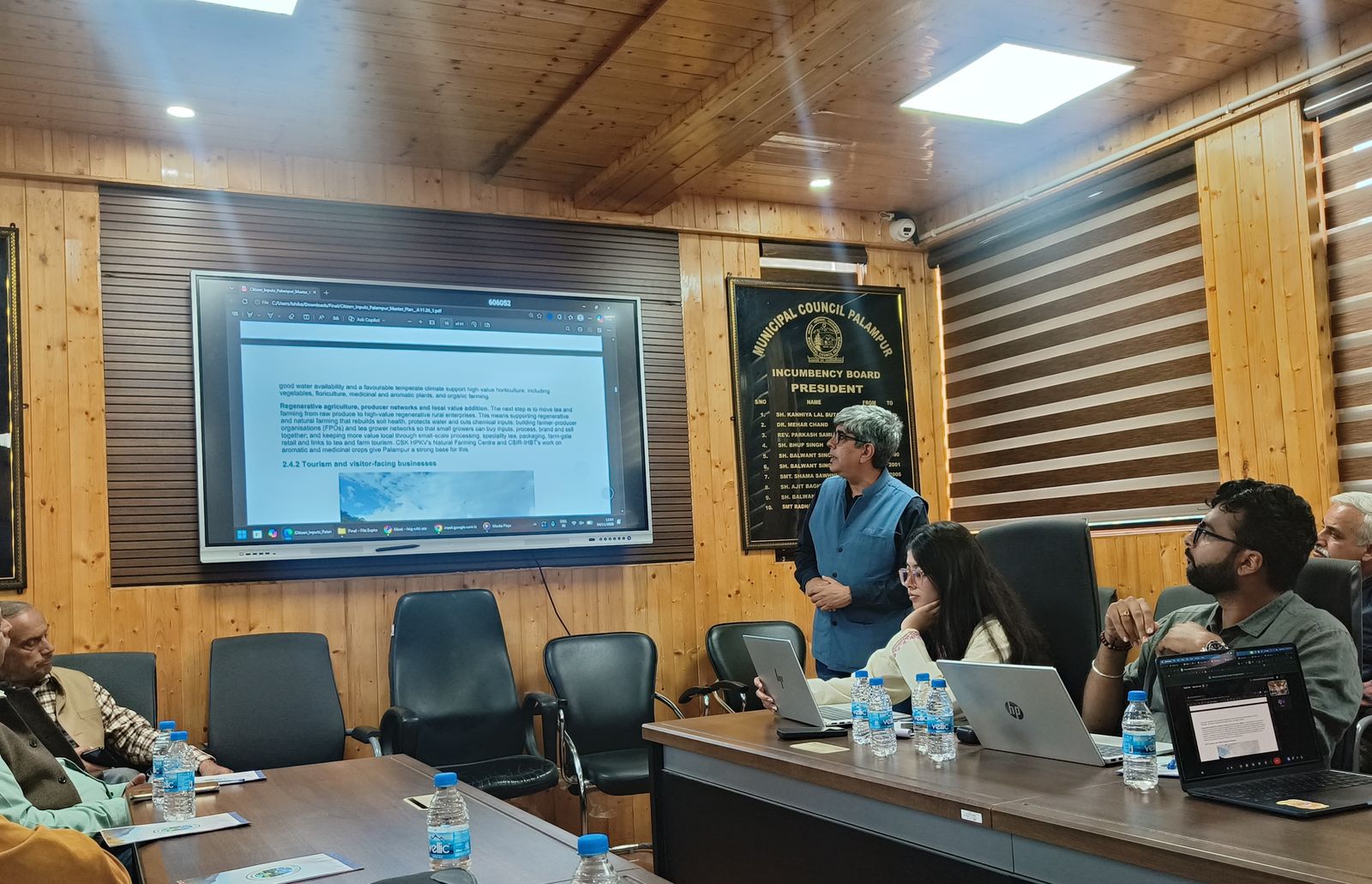
Rajeev Ahal presenting the Citizen Inputs report on a screen in the Municipal Corporation Palampur meeting hall
Presenting the report at the Municipal Corporation Palampur, 4 November 2026
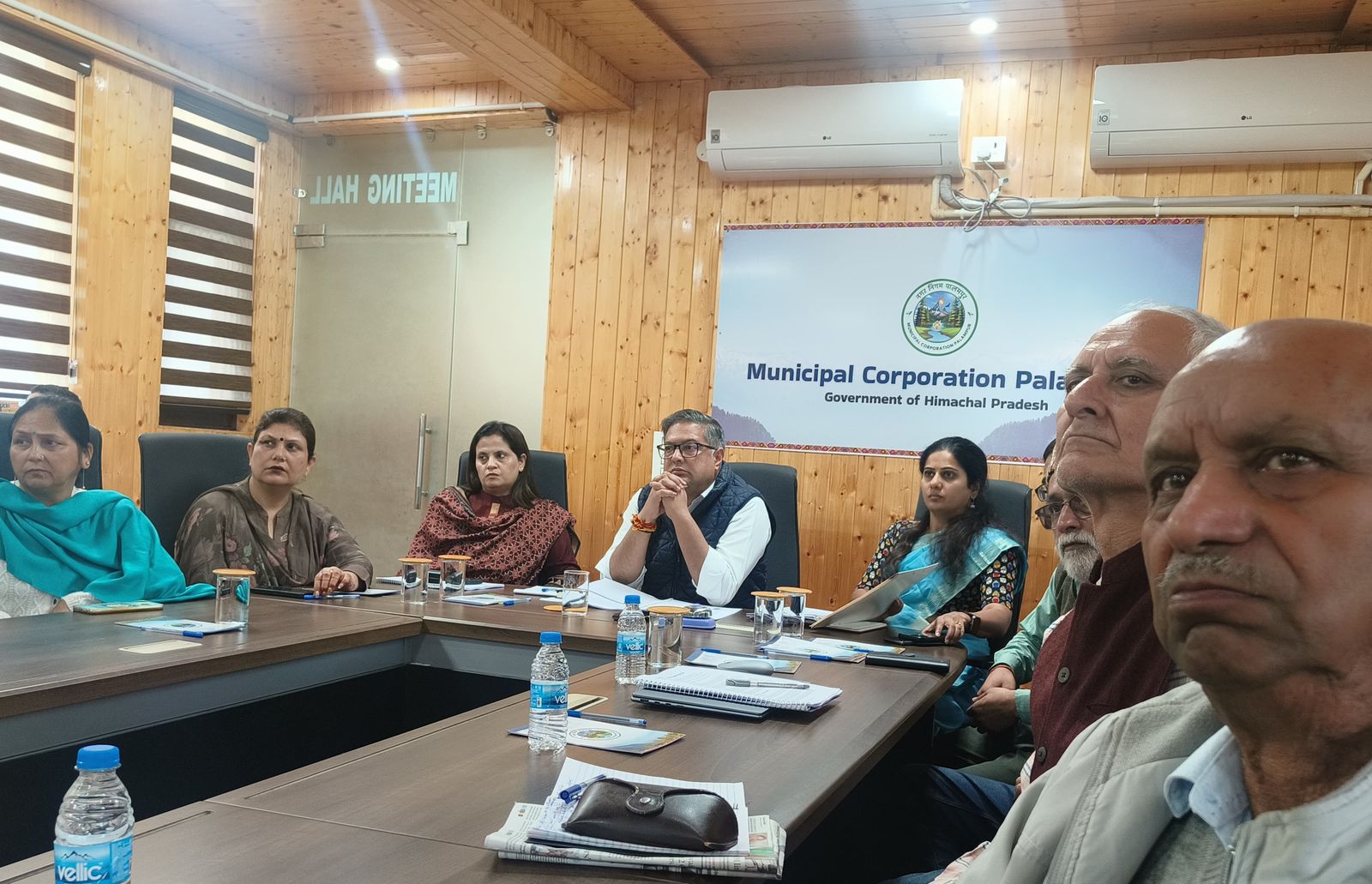
Councillors, officials and working-group members listening to the presentation around the meeting table
Councillors, officials and working-group members at the presentation

Palampur’s new Development Master Plan will shape the town for the next twenty years. The previous plan covered 2001–2021, and many of its provisions were never carried out. In October 2026 the Palampur NGO Group set up a Future Master Plan Working Group so that the new plan would start from what citizens need and expect. HITA provided the concept and technical support, and three management interns from SPJIMR, Mumbai worked on the research.

Over one month of voluntary work, the group collected citizens’ views and consulted the departments responsible for water, sewerage, tourism, forests, revenue, electricity and public works. The resulting report makes recommendations in five areas:

  • A stronger local economy built on Kangra tea, agriculture, education, research and year-round tourism
  • Planned land use that protects tea gardens, farmland, forests and drainage corridors
  • Reliable civic services, including water supply, drainage, sewerage and solid waste
  • Protection of forests, springs, khads and kuhls, with a Neugal River Basin Plan
  • Better coordination between departments, the Municipal Corporation and the surrounding Gram Panchayats

The report is an input to the statutory planning process. It does not replace it.

Citizen science 24 April 2026

City Nature Challenge 2026: Kangra District joins the global biodiversity count

The challenge

The City Nature Challenge (CNC) is a global citizen-science initiative in which cities and regions document their biodiversity on the iNaturalist platform: wild plants, animals, insects and fungi, recorded by ordinary people and contributed to global biodiversity databases.

Kangra district, in the Himalayan foothills, holds rich biodiversity across forests, wetlands, tea gardens and agricultural landscapes. HITA, in collaboration with Deer Park Institute (Bir), organised the district’s first-ever participation in the 2026 challenge, held from 24 to 27 April.

Targets

  • 800+ participants
  • 10,000+ observations
  • 1,000+ species documented
  • 20+ institutions engaged
  • 10–12 field events

Where

Five urban clusters, each with a collaborating partner: the Dharamshala–McLeodganj–Yol–Dharamkot belt; Palampur (Palampur Awareness Club); the Bir belt (Deer Park); the Nurpur–Indora–Rehan belt (Deri College); and the Dehra–Jawali–Pong Dam belt (Himachal Pradesh Forest Department collaboration being finalised).

When

  • 1–20 April 2026: awareness and training with orientation workshops in colleges and schools, iNaturalist training, volunteer mobilisation
  • 24–27 April 2026: the observation period, with biodiversity walks, BioBlitz events, citizen observation drives
  • 28 April – 10 May 2026: identification, with expert review, species identification sessions, data consolidation

The data generated will support research, conservation planning, and stronger collaboration between institutions, civil society and the Forest Department.